What Key Fob Programming Actually Involves — and Why It Is More Than Pressing Buttons
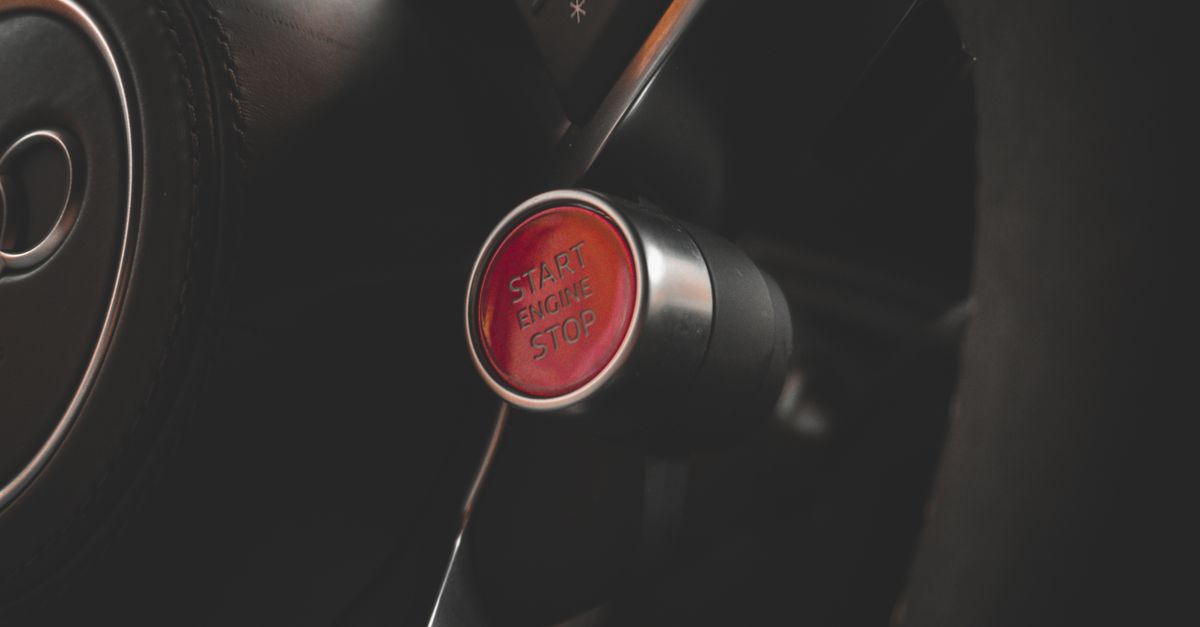
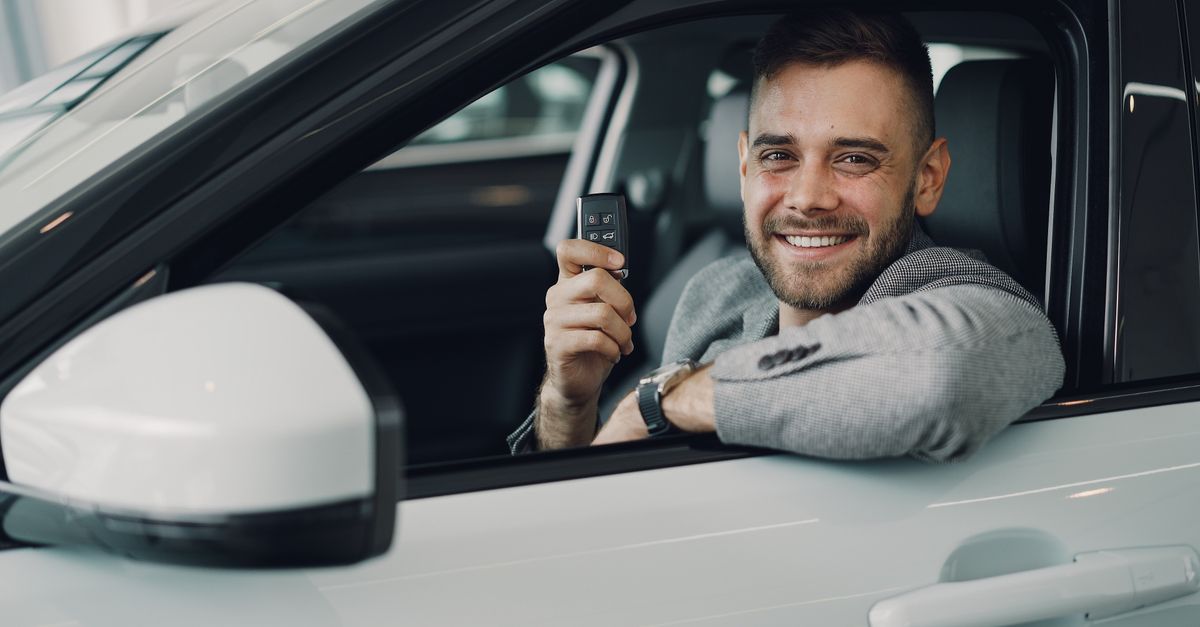
The phrase 'programming a key fob' covers several distinct technical processes that people often lump together. Basic remote programming teaches the vehicle's body control module to recognize a new or reset remote so it can trigger door locks, trunk releases, and panic alarms. Transponder programming goes deeper: a chip embedded in the key head must be coded to match the immobilizer system in the engine control unit, or the car will crank but refuse to start. Proximity or smart key programming — found on push-to-start vehicles — involves pairing both the transponder chip and the rolling-code communication protocol that lets the car detect the fob in your pocket or bag. Each layer requires professional-grade equipment and the correct software profile for your vehicle's make, model, and year.
There is also the question of key cutting. A fob shell paired to the wrong blade pattern, or a blade cut on worn equipment, will fail at the ignition regardless of how perfectly the chip is programmed. Our mobile technicians carry precision cutting machinery alongside programming hardware, so both tasks are completed at your location in a single visit. Whether you drive a domestic truck, a Japanese import, or a European model with an advanced proximity system, we have encountered it on the roads and in the parking decks of the Whippany area and are equipped to handle it.